
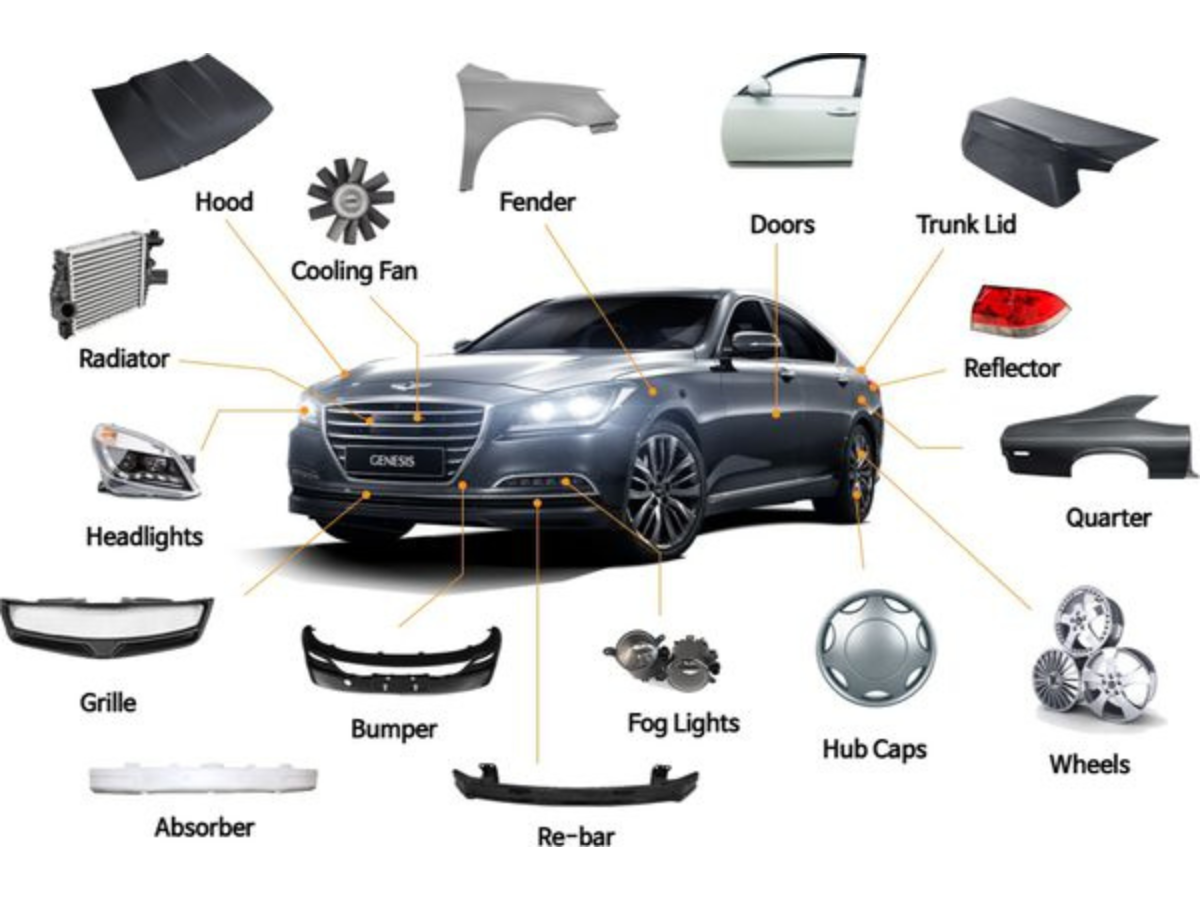
Luxury cars are designed with premium materials and advanced technologies, but these features come with high repair and replacement costs. Understanding the expensive car parts for high-end vehicles can help owners prepare for maintenance and avoid unexpected expenses.
What is the Most Expensive Part of a Car?
In high-end vehicles, several components stand out as the most expensive to repair or replace. The answer to what is the most expensive part of a car varies by model and make, but common costly components include:
- Engine: The heart of the car, especially in luxury models with V8 or V12 engines.
- Transmission: High-performance automatic or dual-clutch systems are costly.
- Carbon-Ceramic Brakes: Provide superior stopping power but come at a premium.
- Suspension Systems: Adaptive or air suspensions used in luxury cars are complex and expensive to repair.
- Infotainment Systems: Advanced technology with custom interfaces adds to repair costs.
- Body Panels and Paint: Luxury cars use high-grade materials and custom paint finishes.
These components are integral to performance and safety but come with a hefty price tag when repairs are needed.
Most Expensive Car Parts to Repair or Replace
Here is a breakdown of the most expensive car parts and their typical replacement costs:
|
Car Part |
Estimated Cost |
|
Engine |
$10,000 - $30,000 |
|
Transmission |
$8,000 - $20,000 |
|
Carbon-Ceramic Brakes |
$5,000 - $15,000 |
|
Adaptive Suspension |
$4,000 - $10,000 |
|
Infotainment System |
$2,000 - $7,000 |
|
Custom Body Panels |
$5,000 - $15,000 |
|
Luxury Interior Components |
$3,000 - $10,000 |
Costs vary depending on the make, model, and year of the vehicle. For instance, a Bentley or Rolls-Royce will command higher repair prices than a luxury model from a more common brand.
Top 5 Expensive Car Parts in High-End Vehicles
- Engine: Luxury vehicles often feature V8, V12, or turbocharged engines that are complex and expensive to repair or replace.
- Transmission: High-end automatic transmissions, especially dual-clutch types, require specialized parts and labor.
- Suspension System: Air suspension and adaptive dampers are prone to wear and require costly replacements.
- Carbon-Ceramic Brake System: Used in performance vehicles for superior braking, but replacement pads and rotors are pricey.
- Custom Interiors: Leather upholstery, wood trims, and luxury dashboards can be expensive to repair or replace if damaged.
Understanding these costs can help luxury car owners budget for future maintenance needs.
How to Manage Expensive Car Parts Repairs
Luxury car repairs are costly, but there are ways to manage these expenses:
- Regular Maintenance: Preventative care can prolong the life of expensive parts.
- Extended Warranty: Coverage plans can help offset repair costs.
- OEM vs. Aftermarket Parts: OEM parts ensure quality but are more expensive; aftermarket parts can be more affordable but may compromise quality.
- Professional Inspections: Regular diagnostic checks can catch issues before they escalate.
- Insurance Coverage: Ensure your policy covers expensive components like custom interiors and advanced systems.
If repair costs become overwhelming, consider selling the vehicle to CarBrain, especially if it's in poor condition.
When is it Time to Sell Instead of Repair?
Luxury car owners should consider selling rather than repairing when:
- Repair Costs Exceed Value: If the repair cost is over 50% of the vehicle's value, selling may be better.
- Frequent Repairs: Constant breakdowns suggest long-term problems.
- High Mileage: Older, high-mileage luxury cars are more prone to expensive failures.
CarBrain provides a hassle-free option for selling luxury cars with mechanical issues, offering competitive offers and free towing.
Conclusion
Owning a luxury vehicle comes with prestige but also high maintenance costs. Knowing the expensive car parts for high-end vehicles can help owners prepare for inevitable repairs. If repair costs become too high, selling to CarBrain ensures a fair market value and stress-free experience.
For more insights on car maintenance and selling options, visit the CarBrain Blog.